
Football, known as soccer in some parts of the world, is more than just a sport. It is a global language, a cultural force, and a source of passion for billions of people. From dusty streets and school playgrounds to packed stadiums and World Cup finals watched by millions, football connects people across borders, cultures, and generations. Its simplicity, excitement, and emotional power have made it the most popular sport on Earth.
The Origins of Football
The roots of football stretch back thousands of years. Ancient civilizations such as the Chinese, Greeks, and Romans played games that involved kicking a ball. One of the earliest recorded versions was cuju in ancient China, where players kicked a leather ball through a small opening without using their hands.
Modern football, however, began to take shape in England during the 19th century. Different schools and towns had their own rules, which often caused confusion. In 1863, the Football Association (FA) was formed in England to create a unified set of rules. This moment is widely considered the birth of modern football. As the British Empire expanded, the game spread rapidly across Europe, South America, Africa, and Asia.
Why Football Became So Popular
One of the biggest reasons for football’s popularity is its simplicity. All that is truly needed to play is a ball and some open space. This accessibility allows people from all backgrounds to participate, regardless of wealth or location.
Football is also easy to understand but difficult to master. The basic objective—score more goals than the opponent—is simple, yet the game offers endless tactical possibilities. This balance makes football exciting for both beginners and experts.
Additionally, football creates strong emotional connections. Fans support their teams with loyalty that can last a lifetime. Victories bring joy and pride, while defeats can be deeply painful. These emotions are shared among families, friends, and entire communities, strengthening social bonds.
The Rules and Structure of the Game
Football is played between two teams of eleven players each. The objective is to score goals by getting the ball into the opponent’s net without using the hands or arms, except for the goalkeeper within their penalty area.
A standard match lasts 90 minutes, divided into two 45-minute halves. The team with the most goals at the end wins. If the score is tied in knockout competitions, extra time or penalty shootouts may be used to decide the winner.
Key rules include:
- Offside: Prevents attacking players from gaining an unfair advantage by staying too close to the opponent’s goal.
- Fouls: Physical or unfair actions result in free kicks or penalties.
- Cards: Yellow cards warn players; red cards result in being sent off.
While the rules are consistent worldwide, the style of play varies greatly between countries and leagues.
Tactics and Playing Styles
Football tactics have evolved dramatically over time. Early teams focused mainly on attacking, often using formations with many forwards. As the game developed, coaches began to emphasize balance, defense, and strategy.
Some famous tactical styles include:
- Tiki-taka: Short passing and possession-based play, famously used by Spanish teams.
- Counter-attacking football: Defending deeply and attacking quickly when possession is won.
- High pressing: Applying pressure high up the pitch to force mistakes.
Formations such as 4-4-2, 4-3-3, and 3-5-2 are used depending on the team’s strengths and philosophy. Modern football relies heavily on analysis, fitness, and adaptability, making tactics a crucial part of success.
Legendary Players and Their Influence
Football history is filled with legendary players who have shaped the game. Icons such as Pelé, Diego Maradona, Johan Cruyff, and Zinedine Zidane inspired generations with their skill and creativity.
In more recent times, players like Lionel Messi and Cristiano Ronaldo have redefined excellence through consistency, athleticism, and dedication. Their rivalry pushed standards higher and attracted millions of new fans to the sport.
Great players do more than score goals—they influence how football is played, inspire young athletes, and represent hope and pride for their countries and clubs.
Football Competitions Around the World
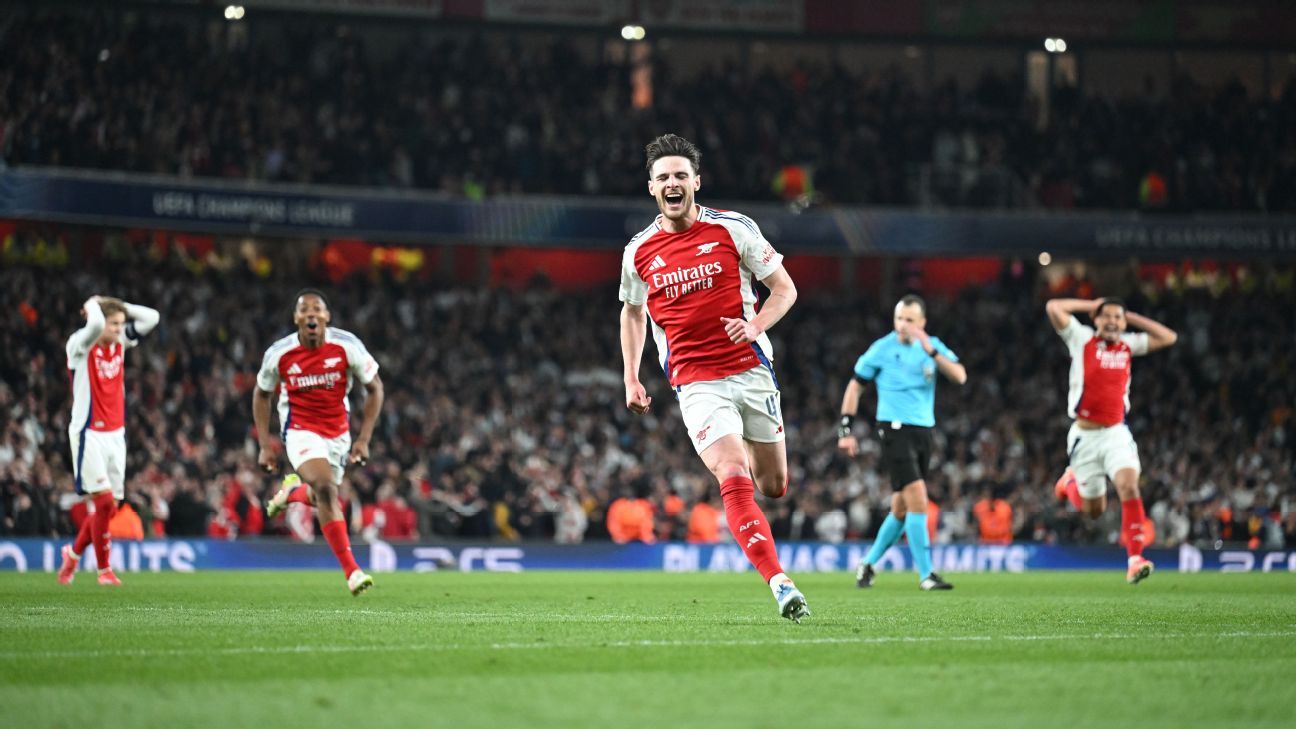
Football is played at many levels, from local leagues to international tournaments. Some of the most important competitions include:
- Domestic leagues: Such as the English Premier League, La Liga, Serie A, and Bundesliga.
- Continental tournaments: Like the UEFA Champions League, which brings together top clubs from across Europe.
- International competitions: The FIFA World Cup is the most watched sporting event in the world, held every four years.
These tournaments create unforgettable moments, dramatic comebacks, and historic victories that live on in football memory.
The Cultural Impact of Football
Football is deeply connected to culture and identity. Clubs often represent cities, regions, or social groups. Supporting a team can be part of a person’s identity, passed down through generations.
Football also plays a role in music, fashion, and language. Chants, songs, and team colors become symbols of belonging. Major matches can bring entire nations to a standstill, uniting people regardless of age, background, or beliefs.
In many communities, football provides hope and opportunity. For young people, especially in disadvantaged areas, the game can offer discipline, teamwork, and even a path to a better future.
Technology and Modern Football
Technology has transformed football in recent years. Video Assistant Referee (VAR) helps officials review key decisions, aiming to make the game fairer. Goal-line technology ensures accurate decisions when the ball crosses the line.
Data analysis and sports science are now essential. Teams track player movement, fitness levels, and performance statistics to gain an edge. While some fans worry that technology takes away from the game’s emotion, others believe it improves accuracy and professionalism.
Challenges Facing Football
Despite its popularity, football faces several challenges. Issues such as racism, corruption, and unequal access to resources continue to affect the sport. Governing bodies and players have increasingly spoken out against discrimination, using football as a platform for positive change.
Another challenge is the growing financial gap between rich and smaller clubs. While top teams attract global stars, smaller clubs struggle to compete. Finding a balance between business and fairness remains an ongoing debate.
The Future of Football
The future of football looks both exciting and complex. The game continues to grow in new regions, especially in Asia and North America. Women’s football is also expanding rapidly, gaining recognition, investment, and fans worldwide.
Young players are being trained with better coaching and facilities than ever before. At the same time, discussions about player welfare, match schedules, and mental health are becoming more important.
No matter how the game changes, its core will remain the same: teamwork, skill, passion, and the joy of scoring a goal.
Conclusion
Football is more than a sport—it is a global phenomenon that brings people together. Its rich history, tactical depth, legendary players, and cultural influence make it unique. Whether played on the world’s biggest stage or a small neighborhood field, football has the power to inspire, unite, and entertain.