
Park Hae-soo is one of South Korea’s most compelling actors, known for his intense screen presence, emotional depth, and ability to transform into complex characters. Though he achieved international fame relatively later than many Hallyu stars, his journey reflects years of discipline, theatrical training, and steady growth. Today, Park Hae-soo stands as a symbol of how talent, patience, and artistic integrity can lead to global recognition.
This article explores Park Hae-soo’s life, career, acting philosophy, notable works, and his influence on Korean and global entertainment.
Early Life and Background
Park Hae-soo was born on November 21, 1981, in Suwon, Gyeonggi Province, South Korea. Unlike many actors who begin their careers through modeling or idol training, Park’s path was rooted in theatre, a foundation that deeply shaped his acting style.
He studied theatre and film at Dankook University, where he developed strong technical skills and a deep understanding of character psychology. During this time, he focused on stage acting rather than pursuing immediate fame, an unusual choice in an industry driven by visibility and popularity.
His early exposure to theatre helped him cultivate:
- Strong vocal projection
- Emotional control
- Physical expressiveness
- Psychological realism
These skills would later distinguish him in both television and film.
Theatre Career: The Foundation of His Craft
Park Hae-soo began his professional acting career in theatre, performing in numerous stage productions throughout the 2000s. He was active in plays such as:
- Mister Lobby
- Annapurna
- More Than Blue
- Faust
On stage, Park earned recognition for his intense focus and ability to fully inhabit his roles. Theatre demanded consistency and emotional endurance, shaping him into a disciplined performer.
Unlike screen acting, theatre offers no retakes. Every performance is live, raw, and immediate. This environment trained Park to stay deeply present, a quality audiences later noticed in his on-screen performances.
For years, he remained largely unknown to the general public, but within theatre circles, he was respected as a serious and committed actor.
Transition to Television and Film
Park Hae-soo made his television debut later than most actors, appearing in minor roles and supporting characters. His early screen work included appearances in dramas such as:
- Doctor Stranger (2014)
- Six Flying Dragons (2015–2016)
- Legend of the Blue Sea (2016–2017)
While these roles were relatively small, they allowed him to gain experience in front of the camera and adapt his theatrical intensity to screen acting, which requires more subtlety.
His breakthrough moment arrived in 2017 with the drama Prison Playbook.
Breakthrough Role: Prison Playbook (2017)
Park Hae-soo rose to national fame through his portrayal of Kim Je-hyuk, a professional baseball player who is imprisoned after defending his sister from assault.
The role was complex:
- A sports star struggling with sudden incarceration
- A quiet, socially awkward man with strong moral values
- Someone navigating friendship, survival, and personal growth behind bars
Park’s performance was praised for its restraint and authenticity. He avoided melodrama, instead portraying Je-hyuk with subtle humor, emotional vulnerability, and quiet strength.
Prison Playbook became a massive success in South Korea, both critically and commercially. Park won multiple awards, including Best New Actor, despite having over a decade of acting experience—highlighting how late his recognition came.
This role firmly established him as a leading actor.
Global Fame: Squid Game (2021)
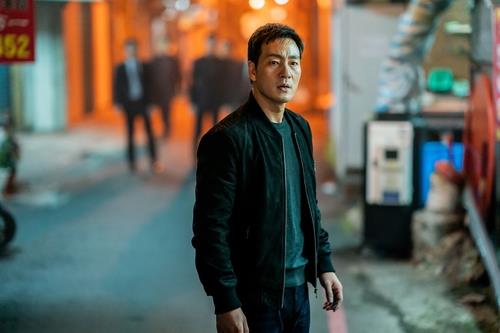
While Park Hae-soo was already respected domestically, global stardom came with Netflix’s survival drama Squid Game.
He portrayed Cho Sang-woo (Player 218), a former investment banker from a prestigious university who falls into debt and desperation.
Sang-woo was one of the series’ most morally complex characters:
- Intelligent and strategic
- Capable of kindness and betrayal
- Torn between survival and guilt
Park’s performance added depth to what could have been a simple antagonist role. He portrayed Sang-woo not as a villain, but as a tragic figure shaped by pressure, shame, and fear.
International audiences praised his ability to express inner conflict through minimal dialogue and controlled expressions. Squid Game became a global phenomenon, making Park Hae-soo recognizable worldwide.
Expanding His Filmography
Following Squid Game, Park Hae-soo carefully selected diverse projects that showcased his range rather than relying on similar roles.
Yaksha: Ruthless Operations (2022)
In this action spy film, Park played a morally upright prosecutor working alongside a rogue intelligence team. The role highlighted his ability to portray professionalism and inner conflict.
Money Heist: Korea – Joint Economic Area (2022)
Park took on the role of Berlin, previously played by Pedro Alonso in the original Spanish series. Rather than imitating the original performance, Park reinterpreted the character with a colder, more restrained charisma, earning praise for making the role his own.
Narco-Saints (2022)
In this crime drama based on real events, Park portrayed a ruthless drug lord. The role contrasted sharply with his earlier characters and demonstrated his ability to play authoritative and intimidating figures.
Acting Style and Philosophy
Park Hae-soo is known for his internalized acting style. Rather than exaggerated expressions, he focuses on:
- Micro-expressions
- Body language
- Emotional pauses
- Psychological realism
His theatre background allows him to understand characters deeply before portraying them. He has stated in interviews that he prioritizes understanding a character’s motivation over likability.
This approach results in performances that feel authentic, even when characters make morally questionable choices.
Personal Life
Park Hae-soo is known for maintaining a private personal life. In 2019, he married his longtime partner, who is not a public figure. The couple welcomed a son in 2021.
Despite his fame, Park avoids excessive media exposure and focuses primarily on his work. He has expressed gratitude for his late success, stating that it allowed him to mature as both a person and an actor before facing global attention.
Awards and Recognition
Throughout his career, Park Hae-soo has received numerous awards and nominations, including:
- Baeksang Arts Awards
- Korean Cable TV Awards
- Critics’ Choice recognition
- International praise for ensemble performances
While awards acknowledge his talent, Park has emphasized that artistic growth matters more to him than trophies.
Influence on Korean Entertainment
Park Hae-soo represents a shift in the Korean entertainment industry, proving that:
- Success does not have to come early
- Theatre actors can transition successfully to screen
- Depth and realism resonate with global audiences
He has become a role model for aspiring actors who prioritize craft over fame.
Future Prospects
As streaming platforms continue to globalize Korean content, Park Hae-soo is positioned as a key figure in internationally driven productions. His bilingual potential, disciplined acting, and ability to portray morally complex characters make him highly sought after.
Rather than being typecast, he continues to challenge himself with diverse roles across genres including drama, thriller, action, and crime.
Conclusion
Park Hae-soo’s journey from theatre stages to global streaming platforms is a testament to perseverance and artistic integrity. He did not follow a conventional path to fame, yet his dedication to craft ultimately brought him recognition on a worldwide scale.