
Before getting into the list, one thing worth saying plainly that most plant content leaves out: the famous NASA Clean Air Study from 1989 — the one that basically everything you’ve ever read about air-purifying plants traces back to — was done in sealed chambers. Not in houses. Not in rooms with windows that open and HVAC systems running. The real-world impact of houseplants on indoor air quality is more modest than the marketing around it suggests.
Plants That Clean Indoor Air
That said, modest isn’t zero. These plants do absorb airborne compounds. And the side effects of adding them — visual warmth, some humidity improvement, the general effect plants have on how people feel in a space — are worth something entirely separate from the air question.
With that out of the way, here’s what each plant on this list is actually good at and where it makes the most sense.
1. Snake Plant
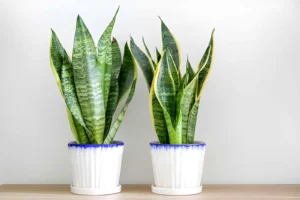
This one gets recommended constantly and deserves it. Most plants only convert CO2 to oxygen during daylight hours — snake plants do it at night too, which is the specific reason they’re so often suggested for bedrooms. They absorb formaldehyde, benzene, and xylene, three of the most common indoor pollutants that come from furniture, flooring, and cleaning products.
The other reason snake plants earn their reputation is what they tolerate. Low light, forgetting to water for a month, dry air, temperature swings — none of it kills them. Overwatering does, which is worth knowing.
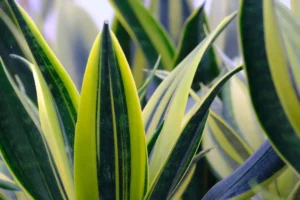
Laurentii is the tall classic with yellow-edged leaves. Moonshine has broader silvery-green leaves that read as more contemporary. Bantel’s Sensation stays compact with narrow striped leaves good for smaller spaces.
2. Spider Plant
One of the more genuinely documented air purifiers when it comes to formaldehyde and carbon monoxide — the carbon monoxide piece specifically makes it worth having in kitchens where gas appliances are running. Trailing arching leaves and the little “babies” it produces (offshoots you can propagate in water and pot up) make it natural for hanging baskets.
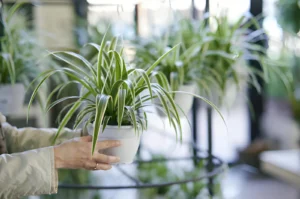
Spider plants are sensitive to mineral buildup from tap water, which shows up as brown leaf tips that confuse people who think they’re doing something wrong. Using filtered or collected rainwater, or flushing the pot thoroughly every few weeks, prevents most of it.
3. Peace Lily
Most air-purifying plants don’t touch ammonia. Peace lilies do, which is the thing that makes them worth putting in bathrooms and laundry rooms specifically — cleaning products and laundry detergents contribute to ammonia in the air in ways people don’t usually think about. Also handles benzene and formaldehyde.
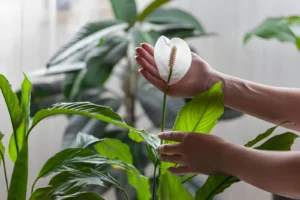
They’re not difficult to care for but they are humidity-dependent in a way that surprises people. Dry centrally heated air causes brown leaf tips that keep showing up no matter what else you adjust. A bathroom or kitchen — somewhere with natural ambient humidity — suits them better than a dry bedroom. They droop dramatically when they want water and bounce back fast after getting it, which makes them one of the more readable plants once you’ve learned what that signal looks like.
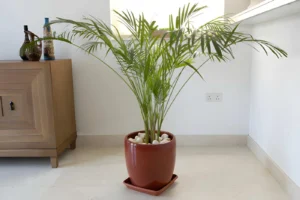
4. Bamboo Palm
Good at filtering benzene, formaldehyde, and trichloroethylene, and grows large enough — full, feathery fronds on multiple stems — to function as a room divider in open-plan spaces. Prefers bright indirect light but handles moderate light reasonably well. One of the better choices when you need something with genuine physical presence rather than a small accent plant.
5. Rubber Plant
Specifically good at absorbing formaldehyde, which makes sense to prioritize in rooms with a lot of furniture, flooring, or new building materials — all of which off-gas formaldehyde slowly over time. Grows upright and tall with thick glossy leaves. Prefers bright light but adapts to lower light more readily than most Ficus species.
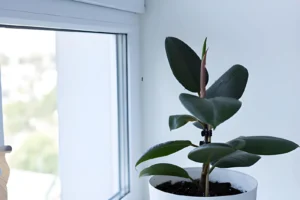
Burgundy is the variety people tend to fall for — deep reddish-brown leaves that look different from most houseplants. Decora is the large-leaved classic green. Tricolor adds cream and pink variegation if you want more visual complexity.
6. Aloe Vera
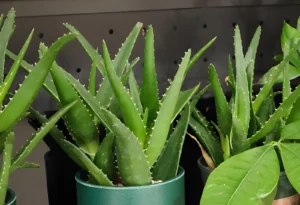
Better known for what you do with the gel inside the leaves — it genuinely works on minor burns and skin irritation — but it also absorbs formaldehyde and benzene from the air. Needs bright light to thrive; a south or west-facing windowsill is ideal. Needs very infrequent watering — it stores water in its leaves and tolerates drought easily. Overwatering is the main way aloe dies indoors.
7. Boston Fern
Among the most effective plants in controlled testing specifically for formaldehyde removal. Also a natural humidifier — the fronds release moisture through transpiration in amounts that actually move the needle in dry rooms. The problem is that it needs that humidity back. Dry centrally heated air causes fronds to turn brown and drop, which happens faster than most people expect.
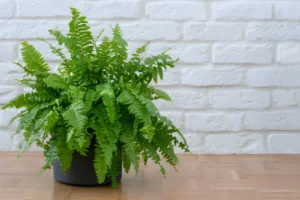
A bathroom is the natural home for a Boston fern, where steam from showers provides the humidity it wants. Anywhere else, misting regularly or placing it near a humidifier keeps it looking right. Without one of those, it’s a difficult plant to maintain in good condition through winter.
8. Dracaena
A large family with a lot of variety in what they look like but similar air-cleaning profiles across most of them — formaldehyde, xylene, and trichloroethylene. Marginata is the architectural one, thin arching red-edged leaves on a bare stem, good in corners. Janet Craig is the darkest and most shade tolerant. Lemon Lime has bright chartreuse-and-green leaves that actually bring some color to a room.
One thing worth knowing before buying: Dracaenas are toxic to cats and dogs. If there are pets in the house, this rules them out.
9. ZZ Plant
Absorbs xylene, toluene, and benzene while being about as tough as houseplants get. The thick rhizomes underground store water like a succulent’s leaves do, which means it genuinely handles being forgotten about in a way most plants only pretend to. Low light, dry air, weeks between waterings — a ZZ plant doesn’t care.
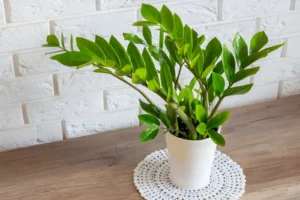
Raven has almost-black glossy leaves that look genuinely dramatic. The standard variety is a deep, rich green. Both are equally indestructible. Good for offices, darker rooms, frequent travelers, anyone who worries they’ll kill whatever they buy.
10. Ficus
Weeping fig (Ficus benjamina) was one of the original plants in the NASA study and genuinely filters formaldehyde and xylene. The care challenge everyone encounters: it hates being moved. Once it’s in a spot with adequate light, leave it there. Moving it — even rotating it toward the light — triggers dramatic leaf drop that looks alarming but is usually just protest, not death.
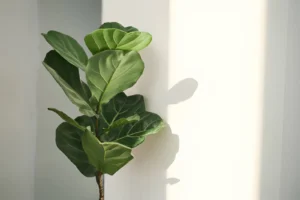
Fiddle Leaf Fig (Ficus lyrata) is the more fashionable option right now and genuinely beautiful, but it’s more demanding than benjamina and doesn’t have the same documented air-purifying track record.
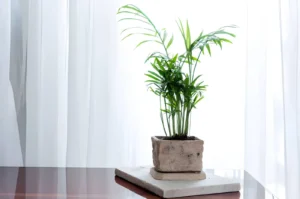
11. Parlor Palm
Comes from the forest floor of Central American rainforests — shade is its natural condition, not a compromise. One of the few palms that genuinely thrives rather than just survives in lower light. Filters indoor pollutants generally, grows slowly, stays manageable in size. Good choice for moderate to low light corners where most palms would struggle.
12. Chinese Evergreen
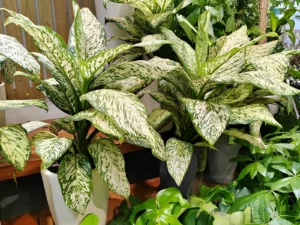
Effective against formaldehyde and toluene, and one of the more color-flexible plants on this list — varieties range from silver-green to deep red to bright chartreuse. The green varieties handle lower light best; colored varieties need more light to hold their color intensity and fade toward green in dim conditions.
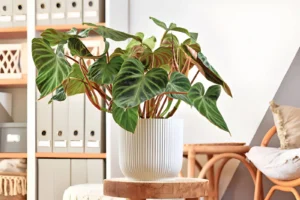
13. Philodendron
Heartleaf Philodendron is adapted to growing under forest canopy, which means lower light is where it actually belongs rather than something it tolerates grudgingly. Formaldehyde absorption, forgiving about irregular watering, trails naturally from shelves and hanging baskets. Brasil adds yellow-green variegation. Xanadu stays compact with deeply lobed leaves that look different from the typical trailing philodendron. Pink Princess has dark leaves with pink variegation that’s genuinely unusual — and genuinely more expensive than the rest of them.
14. Areca Palm
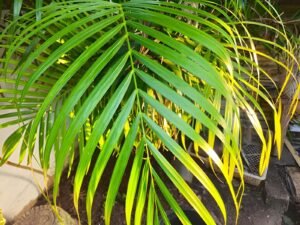
Called Butterfly Palm for the way fronds arch upward and outward. Specifically documented for filtering xylene and toluene, and it releases significant moisture through transpiration — useful during winter heating season when indoor air gets dry. Needs bright indirect light to look its best and grows large over time, so it earns its place in a room with adequate space rather than being squeezed into a corner.
Choosing Based on Your Actual Situation
Low light and low maintenance: snake plant, ZZ plant, cast iron plant, parlor palm, heartleaf philodendron. Any of these handles dim corners and irregular care without drama.
Bathrooms and humid spaces: peace lily, Boston fern, English ivy. All three do better with ambient humidity than without it.
Large rooms needing visual presence: areca palm, bamboo palm, rubber plant, lady palm. These earn their space by filling it.
Homes with pets: skip Dracaena varieties and English Ivy — both toxic. Spider plant, Boston fern, areca palm, parlor palm, and bamboo palm are generally considered safe for cats and dogs.
The honest version of all this: these plants improve air quality in real but modest ways. What they improve more dramatically and more immediately is how a space looks and feels to be in — and that’s worth something entirely on its own.